Dell Servers – Enterprise PowerEdge Server Solutions for Modern Businesses

Table of Contents

Businesses require a dependable, reliable and secure infrastructure to support their multi-function applications (such as applications, data storage), storage networking, and virtualization workloads. Dell Servers, specifically the PowerEdge family of servers, are among the most frequently deployed servers in enterprises today, providing organisations with a single source from which to build a complete, scalable and high-performance IT infrastructure.

Dell PowerEdge servers can be deployed in a variety of businesses, from small business to multinational corporations, and will support a wide range of workloads including enterprise data centers, cloud computing, and artificial intelligence (AI) computing due to their flexible storage, powerful processors and advanced tools for managing and monitoring remote server and network devices.

If you are based in Dubai or anywhere in the UAE, you can access the Dell PowerEdge enterprise server line from Janasys Technology L.L.C. – a supply partner to the largest and most progressive enterprises in the Middle East and the entire world.

What Are Dell PowerEdge Servers?

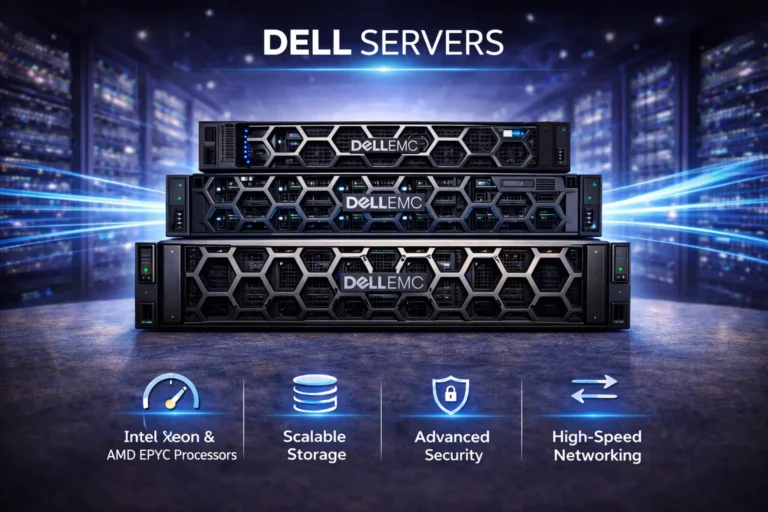
The Dell PowerEdge family of servers is designed by Dell to provide organisations with high-performance computing while providing a flexible and scalable platform to accommodate any workload an organisation may have. The PowerEdge product line has different server form factors, including tower, rack mount and modular systems.

PowerEdge servers are frequently used by many enterprise environments to host virtualisation platforms, databases, enterprise applications (ERPs & CRMs), file and storage management and a variety of cloud computing and hybrid infrastructures, as well as to perform AI and data analytics workloads.

The Dell architecture allows organisations to deploy Dell PowerEdge enterprise servers to support workloads ranging from entry-level to highly complex enterprise data centres.

Dell Server Types:

  1. Tower Servers:

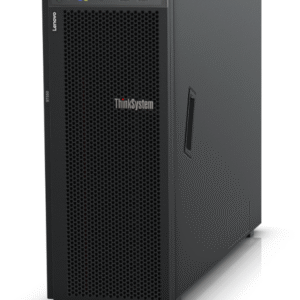
Tower servers look similar to a standard desktop computer and very much are designed to be used in an office/office-type environments.

Examples:

  • Dell PowerEdge T160
    Dell PowerEdge T340
    Dell PowerEdge T440


Tower servers provide silent operation and provide workplace-centralized computing for deployments in an office type environment.

Example: Product

Best For:

  • Small Businesses
  • Remote Offices
  • File and Print Servers
  • Entry Level Application Hosting


     2. Rack Servers:

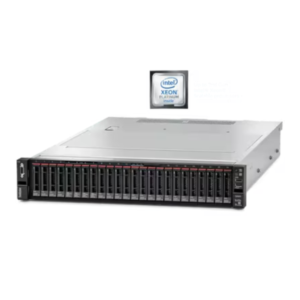
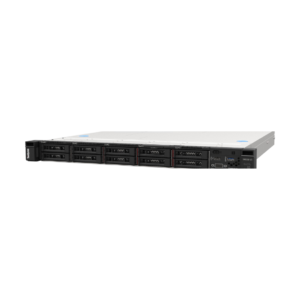
Rack servers are specifically designed to be mounted into 19″ server racks and tend to be found mostly in data center type locations.

Examples:

  • Dell PowerEdge R450
  • Dell PowerEdge R650
  • Dell PowerEdge R760


Rack Servers allow for high density and efficient cooling in a corporate data center.

Best For:

  • Data Centers
  • Cloud Infrastructure
  • Virtualization Environments
  • Large Enterprise Workloads


     3. Edge Servers:

Edge servers are compact systems designed for use in harsh environments like remote or industrial type locations.

Edge servers are designed to provide a reliable computing platform for edge computing applications while also providing some amount of protection from heat, vibration and dust.

Best For:

  • Retail Environments
  • Smart Manufacturing
  • Edge Computing Deployments
  • IoT Infrastructure

Dell PowerEdge Servers typically offer the following features:

  • Intel Xeon Scalable or AMD EPYC processors
  • High-capacity ECC RAM (from 32GB up to many terabytes)
  • Can support NVMe, SAS and SATA storage types
  • Hardware RAID Controllers
  • Redundant Power Supply Options
  • Built-in Remote Management (iDRAC)


iDRAC is Dell’s management system, and it provides an easy way for administrators to remotely manage and monitor their servers, making it easier to maintain and administer the system.

These features build in high availability and reliability for business-critical workloads.

Janasys offers the following server types:

Small Business Configuration

  • Single Intel Xeon Processor
  • From 16GB to 32GB of ECC RAM
  • RAID Storage Configuration


Best suited for small and mediam businesses (SMEs) and/or small office infrastructure.

Mid-Range Configuration

  • Dual processor architecture
  • 64GB-128GB of Memory
  • Hybrid storage with SSD+HDD


Best suited for ERP systems, databases, and virtualization.

High-Performance Data Center Server Configuration

  • Multiple-core processors
  • 256GB+ of memory
  • NVMe high speed storage array
  • Redundant Power Supply


Best suited for enterprise data centers, artificial intelligence (AI) workloads and/or cloud infrastructure.

Advantages and Disadvantages of Dell Servers

Advantages

  • Enterprise-grade performance
  • Highly scalable infrastructure
  • Advanced remote management tools
  • Flexible configurations for a variety of workloads
  • Reliable PowerEdge architecture


Disadvantages

  • More expensive than entry-level servers
  • Must be deployed professionally
  • Complex configurations require specialized IT expertise

Dell PowerEdge Servers are benefitted for an application's hosting, databases, virtualization platforms, and in handling of enterprise workloads.

Dell offers several types of servers, including tower servers, rack servers and edge servers, to address the needs of different types of environments.

Yes, Dell servers are compatible with VMware, Hyper-V, and any other type of virtualization tools you may want to use.

Dell Servers come equipped with an integrated Dell Remote Access Controller (iDRAC) that allows you to remotely manage and monitor your Dell Server.

In the UAE, Janasys Technology L.L.C has been established as an Authorized Dell PowerEdge Server & DE (Deployment & Support) Partner, to provide full probationary period, all elements involved in purchasing, deploying and supporting Dell PowerEdge Servers.

Not sure which service fits your business goals?

Let’s simplify it.

No pressure. Just clarity.